






By Ben Springer and Grant Klein Wars are almost always fought over the redistribution of resources. Because energy is a fundamental resource that affects our daily lives, the Department of Defense has a strong interest in protecting our energy sources and setting the direction for the nation's energy use.
Read MoreBy Salome Saliashvili and Apoorv Bhargava When entering a new place, should you push or pull the door? There’s usually a moment of hesitation. As clean energy enters a period of tremendous innovation, there is also a question of push vs. pull. The Department of Energy (DoE) is actively testing out both approaches. DoE has the unique ability to use programs such as the Loan Guarantee to push technologies to market, but also to pull solutions from the market through awards and incentives.
Read More
By Hannah Hunt and Mike Jerue “Vocabulary is the principal way that wars are won.” This observation by Jonathan Silver, CEO of Greenbanc Global, came near the end of an engaging discussion with CELI fellows about the fundamentals of clean energy finance. Mr. Silver expertly pointed out that it is crucial for clean energy leaders to understand the terminology that is associated with project finance because it is such a significant and rapidly changing part of the clean energy industry. Mr. Silver drew from experiences in a distinguished career, which included stints as both the head of the Department of Energy’s (DOE) Loan Guarantee Program and also as a Distinguished Senior Fellow at Third Way, to help explain finance principles and terminology.
Read MoreBy Julia Rotondo and Daniel Hill When discussing the impact of federal policy on clean energy deployment last week, Ali Zaidi pointed to the massive changes seen in the industry compared to ten years ago. Through an engaging discussion, Ali shared some examples of assumptions made about clean energy ten years ago that have since become false.
Read More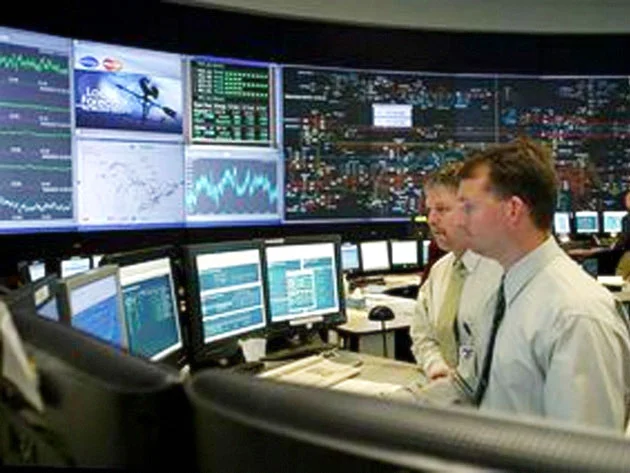
By Brandon Chase and Narayan Subramanian If there is one word that describes electric grid operations, it is balance. Electric supply must always equal electric demand. In the future, bulk electricity storage may provide better options for dispatching power, but currently bulk storage is not economically viable. To balance supply and demand we rely on a centrally operated balancing authority (BA). In the U.S. the most common balancing authorities are regional transmission organizations (RTOs), such as PJM in the Mid-Atlantic or MISO in the Midwest, but this also includes vertically integrated utilities that are outside of the RTO regions.
Read More